Knapp & Thorne Estates
A History of Brookwood Hall
The story of Brookwood is, in many ways, the story of the change and development that characterized all Long Island communities in the past century.
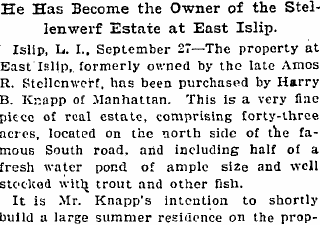
The 41-room mansion was built in 1903 by Harry K. Knapp of Manhattan, one of the city's many millionaire businessmen who chose the South Shore of Islip Town as a summer retreat for themselves and their families. The original site was over 80 acres, extending to the LIRR tracks on the north and the middle of Wingan-Hauppauge Lake on the west. With its stately columns and overhanging porticoes, the main building was a perfect example of Georgian Revival architecture and Harry Knapp's elegant, cultivated taste.
The elder Knapp left the building to his son, Theodore Knapp, a sportsman with little interest in running an estate, especially in the years just before the Great Depression. Knapp sold the estate in 1929 to Francis B. Thorne, a wealthy stockbroker and brother of the philanthropist Landon K. Thorne. Francis Thorne Sr. had a seat on the New York Stock Exchange. Although he purchased the estate 2 months before the Great Stock Market crash of 1929, the family weathered the depression almost without concern. Although, they did curtail the Knapp’s Staff. From having 29 servants in 1929, Brookwood was maintained by only three just ten years later.
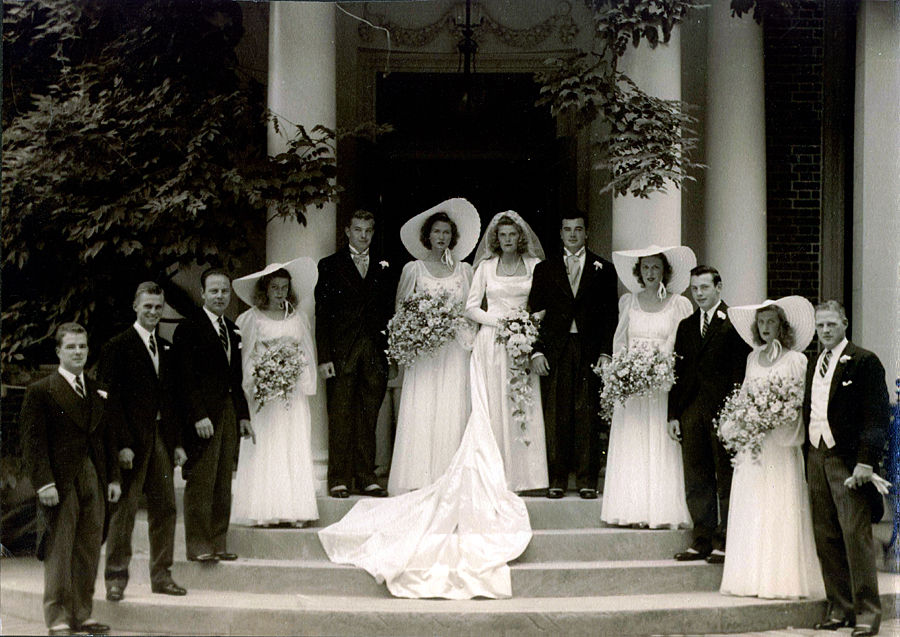
Thorne maintained the estate as somewhat of a cultural center to augment the education and training of his children - especially Francis Thorne Jr. Young Francis, who was to become an eminent musician and classical composer, was seven years old when the family moved to the mansion. The child had four sisters and a brother, many of them also musically gifted. The life Francis described was one of great gentility, combining frequent musical gatherings and the requisite social events. In 1930, when his oldest sister made her debut, the servants set huge candleholders along the walkways going to the lake. At an appointed moment, the electricity was turned off and the servants carried the candles in a twinkling parade through the lush greenery to the ballroom and the waiting guests. The gesture was typical of the many romantic moments the Thorne's created for their extensive set of friends and family.
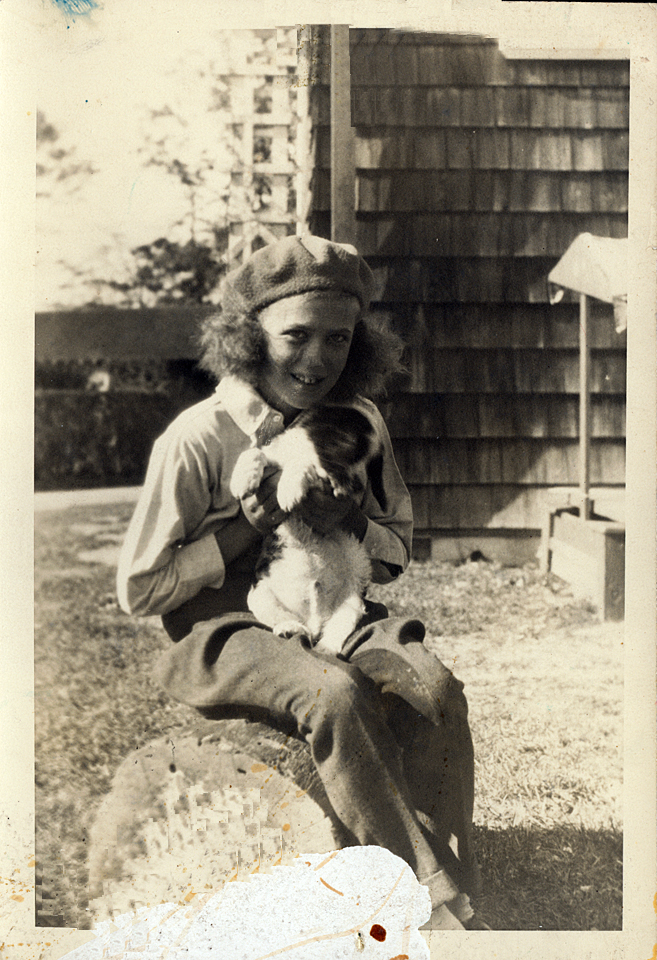
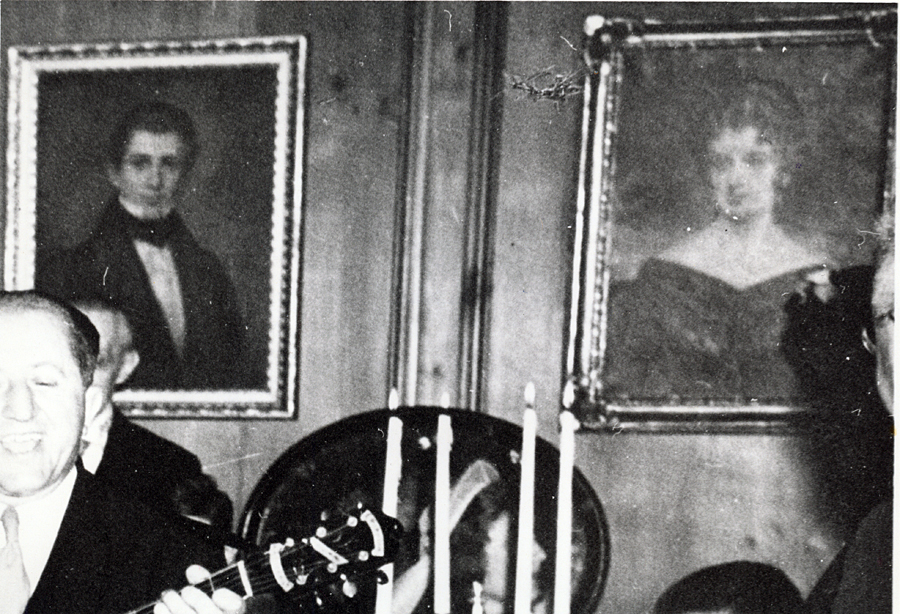
After graduating from Yale in 1942, serving in the Navy and entering the family business on Wall Street, Francis Thorne Jr. decided at 40+ yrs old to devote himself full-time to his musical career. He founded the American Composers Alliance, a revolutionary group which presented a forum for the composers of the day, including such diverse figures as Charles Ives, Roger Sessions, John Phillip Sousa and Duke Ellington. Mr. Thorne's own compositions were widely played. His "Elegy for Orchestra" was commissioned by Eugene Ormandy for the Philadelphia Orchestra, and his passionate promotion of jazz shaped the direction of American music for several decades.
Given the estate's link to musical and cultural history, it is fitting that Brookwood Hall is now the home of the Islip Art Museum and the Islip Arts Council, in addition to the Town of Islip's Department of Parks, Recreation and Cultural Affairs.
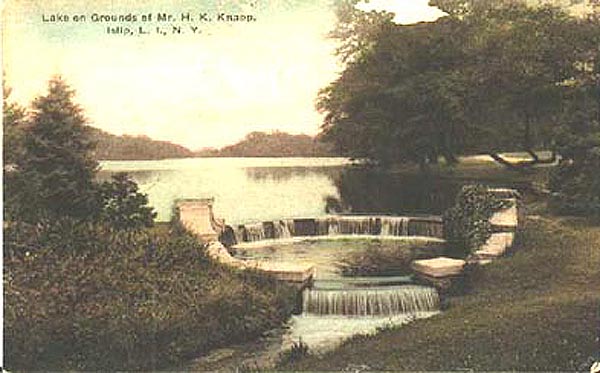
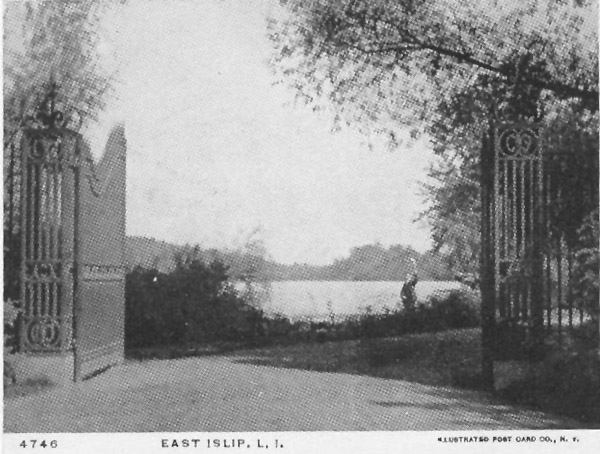
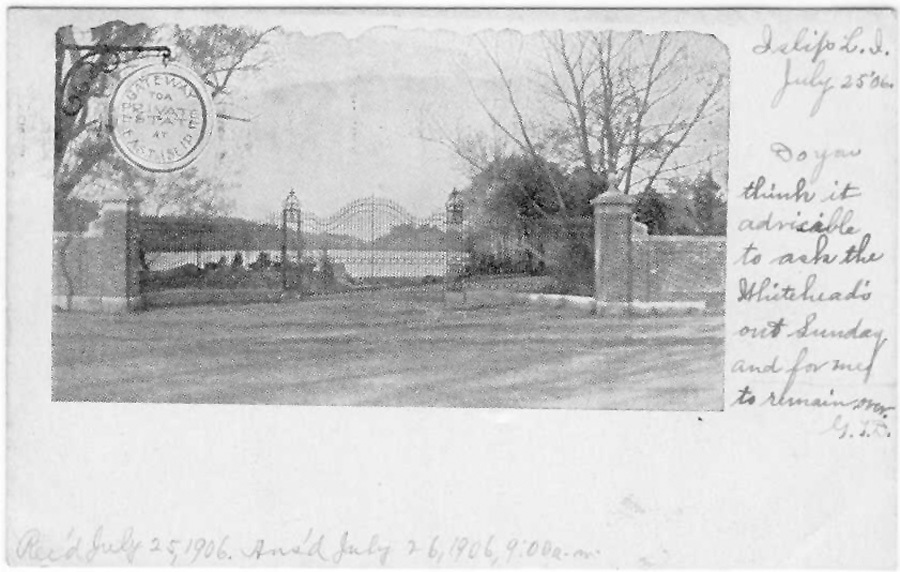
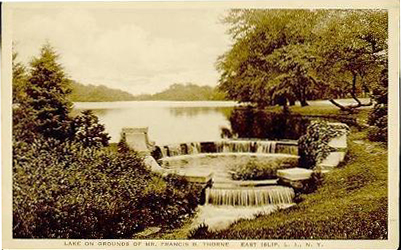
The Thorne ownership, and the golden era of the estate, ended in 1942. The bombing of Pearl Harbor and the June 13, 1942, landing of four Nazi’s landed on a beach near Amagansett Long Island from a German submarine intent on a two-year sabotage of American Industry bore ominous foreboding. Although all four were caught within the month, Mrs. Thorne was spooked and withdrew herself and her family to the more secure Thorne ancestral compound in upstate New York. They left in haste and many items were left behind, including furniture, a ready-to-harvest vegetable garden, and a Ford ‘Woody’ Station wagon.
The Brookwood estate was sold to the Orphan Asylum Society of Brooklyn which had been looking for a ‘Country” setting for its growing population of Indigent Children. Close proximity to the Brooklyn Navy Yard prompted urgent interest from the War Department and they were quickly displaced from their Brooklyn building by the Navy's war needs. The first group of Children came to Brookwood, now called Brookwood Hall, in September of 1942. The Orphan Asylum operated the Brookwood Hall Orphanage for as many as 72 orphans for the next 23 years. The wards grew all their own produce on the grounds and were often mentioned in newspaper accounts during the war years because of their elaborate Victory Gardens. They were taught manners, discipline and loyalty. It was, by all accounts, a wonderful place to grow up and a welcome alternative to the children’s chaotic lives on the outside.
In 1965 the State model for caring for indigent children changed from institutions to Foster Care. Brookwood Hall became irrelevant. The Brookwood Orphan Society sold the property to developers Alfred and Fred Wimmer, who in turn sold it to the Town of Islip on January 6, 1967 for $385,000.
When informed that Brookwood Hall was to become municipal office space, the society matron Mrs. Walter Herrick of Manhattan (formerly Mrs. Harry K. Knapp Jr.) whose father in-law built the home, could only comment to reporters, “How dreadfully dull."